As an acorn grows when it has both sun and water, your child flourishes when we blend your parental instinct with our clinical guidance and support.
Consider the big picture
We set goals and choose focus skills thoughtfully, knowing that your child’s growth today is the root of the mighty oak they’re becoming.
See the whole child
Your child is so much more than a diagnosis. We value their unique strengths and spirit — and nurture growth in a way that reflects who they truly are.
Plant with patience
Oak trees don't grow overnight, and neither do children. Gradual, consistent progress creates the strongest foundation for lasting growth.
Build trust together
Trust grows from open, honest communication. We make it easy to stay in touch, ask questions, and feel confident every step of the way.
I chose to join Little Acorn because being part of such a wonderful growing company is very meaningful to me — there’s something special about helping shape a supportive environment for kids and families from the very beginning of their journey.
Regional Clinical DirectorJillian Juergens
I’m Little Acorn’s Regional Clinical Director and I am so excited to begin working with you and your family! I have been a BCBA since 2020 and have worked in the autism field for the past 16 years across home, clinic, school, hospital, and community settings.
Throughout my career, I’ve had the opportunity to support hundreds of children, families, and caregivers through a wide range of needs and experiences. I specialize in severe behavior, caregiver support, and behavioral feeding, but over the past 16 years I’ve had the opportunity to support children and families with a wide variety of strengths, challenges, and goals across nearly every area of autism care.
My approach is always centered around creating support that feels realistic, collaborative, and compassionate for the entire family. I’m deeply passionate about helping families better understand behavior, reduce overwhelm, and build strategies that actually fit into everyday life. The most meaningful part of this work for me is getting to be part of your child’s growth — celebrating progress alongside families, supporting hard moments together, and helping create environments where children and caregivers can both feel more successful, understood, and supported.
MORE ABOUT ABAABA terms, explained
Reinforcement
Prompting
Antecedent
Task Analysis
Discrete Trial Training (DTT)
Natural Environment Training (NET)
Baseline
Generalization
WHAT IT LOOKS LIKEABA in real life
These fictional case studies demonstrate typical ABA methods and the kinds of progress children may experience.
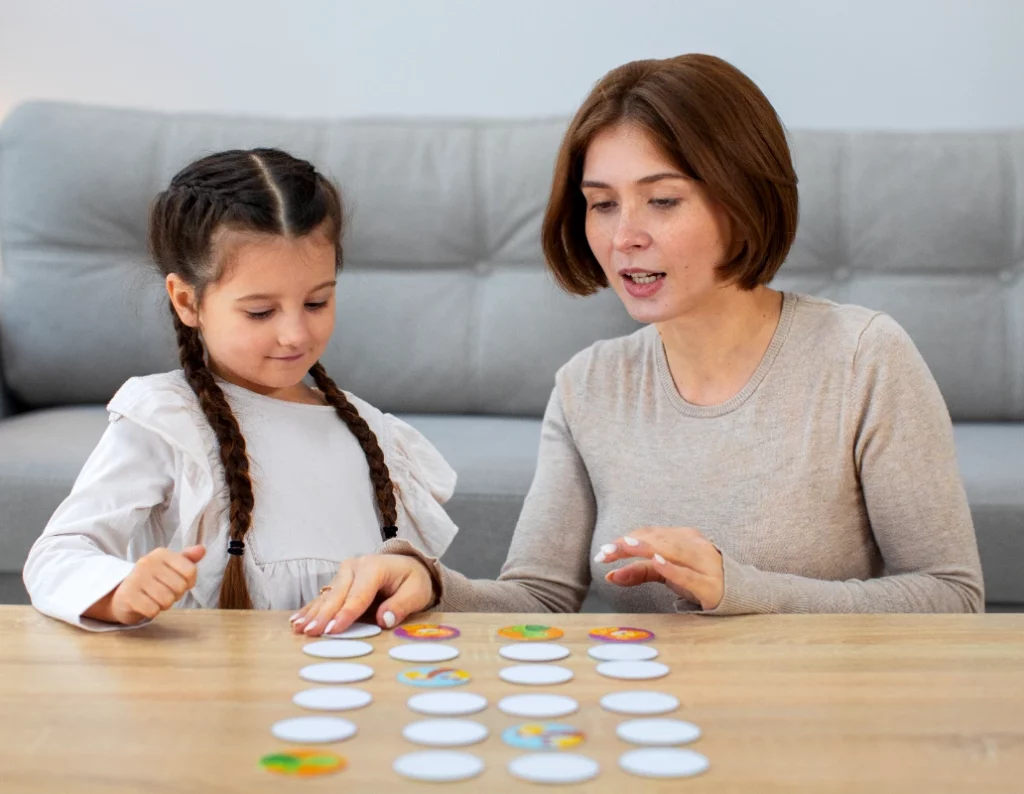
Kiera, aged 4, was non-verbal and often had meltdowns when she couldn’t express her needs. Her ABA therapist used picture cards, gentle prompts, and positive reinforcement, teaching her to communicate basic needs. Slowly, Kiera picked up on using words instead of picture cards alone. Six months later, she confidently verbalizes her needs, with her vocabulary growing weekly. Kiera’s family celebrates how much calmer and happier she’s become.
Focus Area: Verbal & Non-verbal Communication
ABA Techniques: Prompting, Positive Reinforcement, Modeling
Jake, aged 6, finds transitions difficult, which used to lead to meltdowns when routines change or activities end. His ABA therapist worked with Jake and his parents to prepare him for transitions using countdown warnings and visual timers. They also practiced coping strategies including deep breathing techniques and a “feelings chart” to identify emotions. Through consistent practice and positive reinforcement for using these tools, Jake now uses his coping strategies with his parents’ support during transitions, and his meltdowns have reduced significantly. His family enjoys outings again, confident they can help him handle unexpected changes.
ABA Techniques: Antecedent strategies, Visual supports, Teaching replacement behaviors, Parent training
Eight-year-old Sam was content playing by himself and didn’t notice when classmates tried to include him in games or conversations. His ABA therapist used video modeling to help him recognize social cues like when peers were inviting him to play. They practiced identifying facial expressions and body language through fun games and role-playing. With gentle prompting and positive reinforcement, Sam learned to notice when others wanted to interact with him. Now he actively looks for opportunities to join his classmates and has begun developing his first friendships.
Focus Area: Social Awareness & Peer Interaction
ABA Techniques: Social Stories, Video Modeling, Perspective-Taking Activities
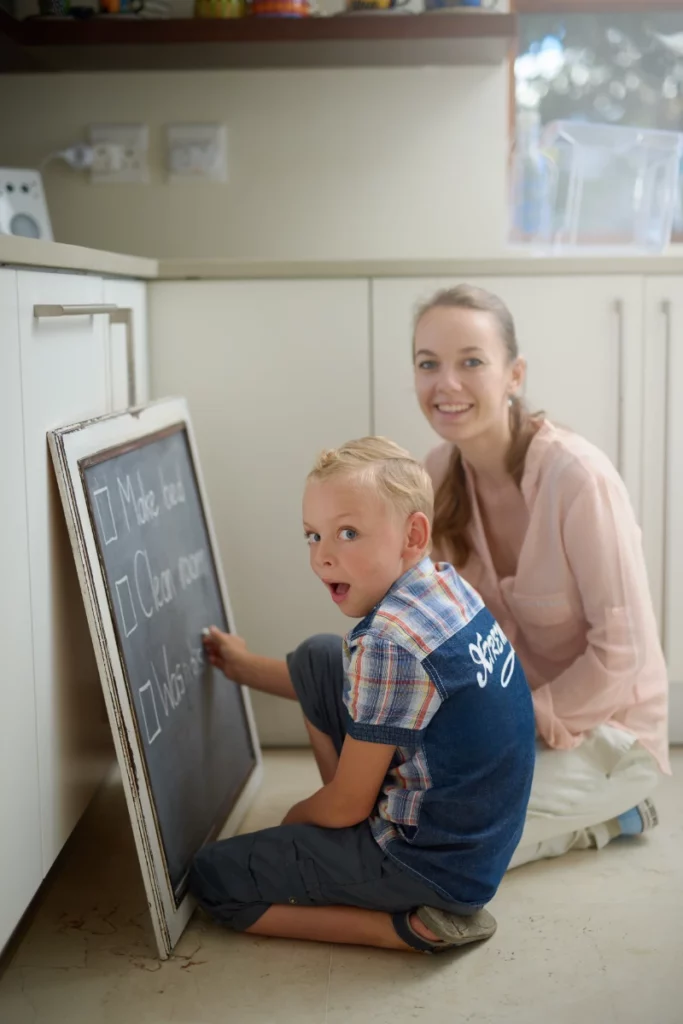
Getting dressed was a daily battle for 9-year-old Marcus until his ABA team broke it down into small, manageable steps. Using a visual schedule with pictures, Marcus learned to put on his shirt, then pants, then socks — one step at a time. His therapist celebrated each completed step with high-fives and extra playtime. Today, Marcus proudly gets dressed independently every morning, getting each day off to a better start.
Focus Area: Daily Living Skills
ABA Techniques: Task Analysis, Chaining, Visual Supports
“The creation
of a thousand
forests
is in
one acorn
-Ralph Waldo Emerson
Nurture your little acorn with gentle ABA therapy for autism
I’m Little Acorn’s Regional Clinical Director and I am so excited to begin working with you and your family! I have been a BCBA since 2020 and have worked in the autism field for the past 16 years across home, clinic, school, hospital, and community settings.
Throughout my career, I’ve had the opportunity to support hundreds of children, families, and caregivers through a wide range of needs and experiences. I specialize in severe behavior, caregiver support, and behavioral feeding, but over the past 16 years I’ve had the opportunity to support children and families with a wide variety of strengths, challenges, and goals across nearly every area of autism care.
My approach is always centered around creating support that feels realistic, collaborative, and compassionate for the entire family. I’m deeply passionate about helping families better understand behavior, reduce overwhelm, and build strategies that actually fit into everyday life. The most meaningful part of this work for me is getting to be part of your child’s growth — celebrating progress alongside families, supporting hard moments together, and helping create environments where children and caregivers can both feel more successful, understood, and supported.